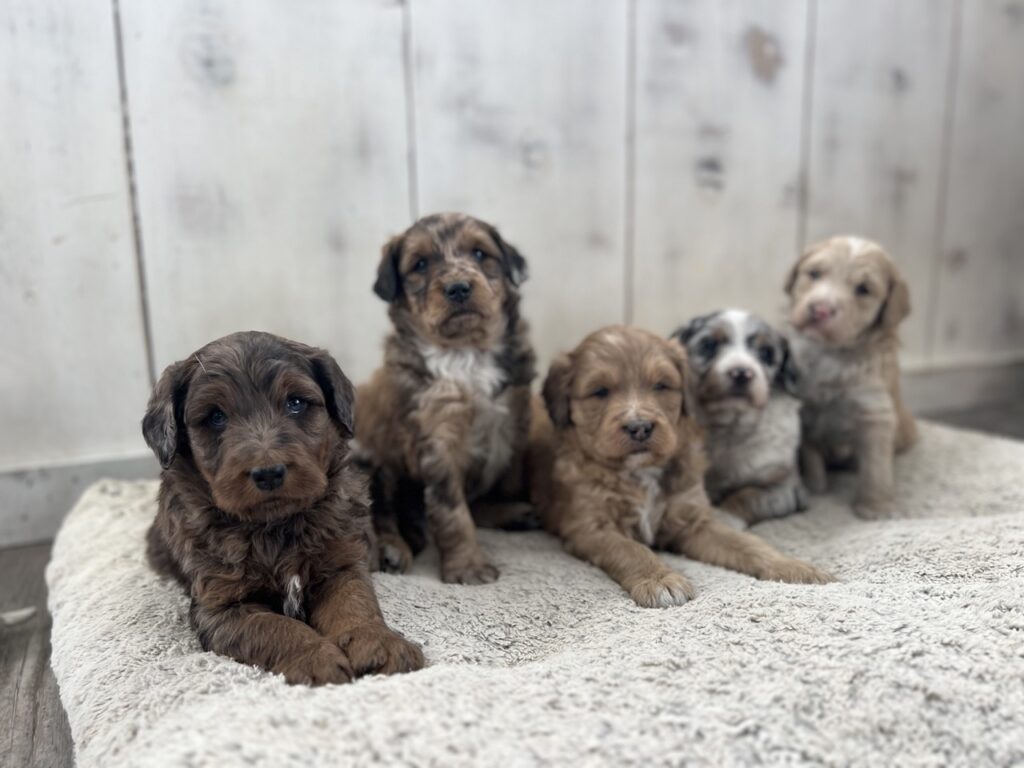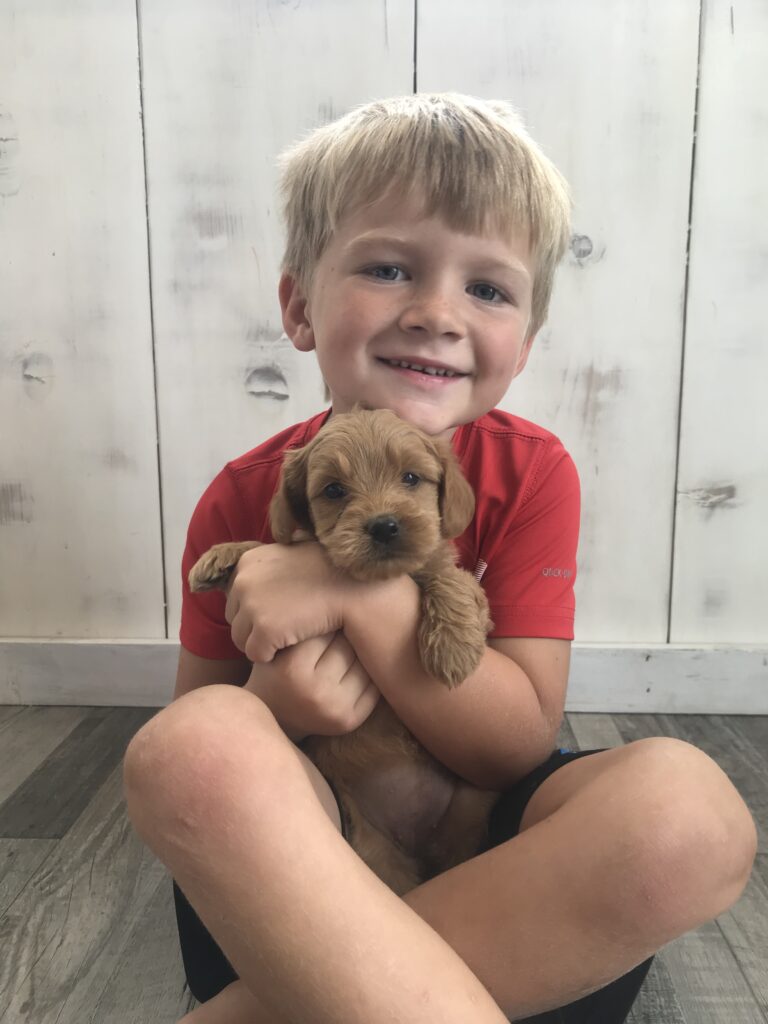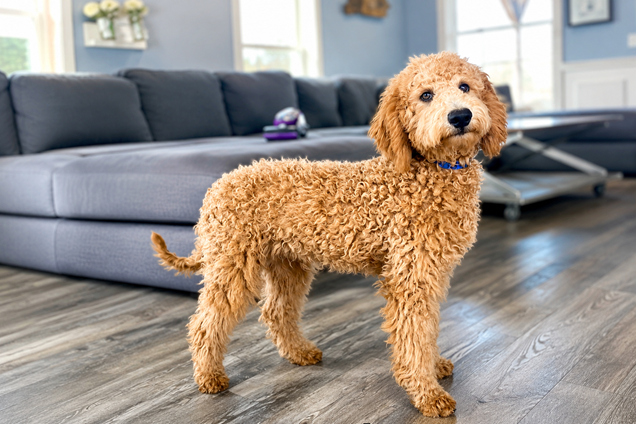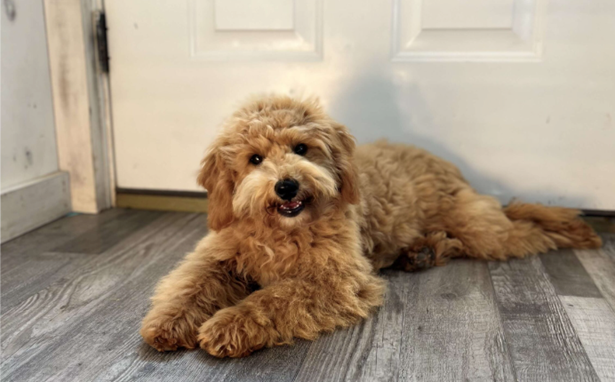
If there’s one thing I’ve learned from working closely with F1b Mini Goldendoodles, it’s this: consistency is everything. When people ask why so many of our puppies grow into calm, responsive, well-mannered companions, we always circle back to one habit that sets the tone for everything else.
Daily movement with simple training mixed in.
That one daily habit, both physical and mental exercise, is the foundation for raising a happy, well-behaved Goldendoodle. It’s not about exhausting them; it’s about giving them a way to channel their natural energy and intelligence.
Let me walk you through what I mean, especially if you’re raising or planning to raise an F1b Mini Goldendoodle. Their temperament and energy levels make daily movement and mental engagement absolutely essential.
Why Skipping Daily Walks Leads to Behavioral Blowups
When a Goldendoodle misses their daily walk, they let you know. Not with barks and tantrums right away, but with subtle signs: restless pacing, excessive licking, the mysterious disappearance of yet another sock. F1b Mini Goldendoodles are the perfect blend of beauty, brains and personality, and that means their minds and bodies crave stimulation.
A walk isn’t just about movement. It’s about sniffing new smells, watching squirrels dart across the street, practicing leash manners, and getting that satisfying release of pent-up energy. Without it? You’re setting the stage for barking fits, digging in your flower beds, or chewed table legs.
This breed is known for its affectionate nature and high energy. Walking offers a regular outlet, helping manage their intensity and providing a form of exposure therapy with new sounds, new surfaces, and new situations. All of this keeps their reactive tendencies low and confidence levels high.
They thrive when their curiosity and playfulness are matched with daily routines that keep them engaged. That’s when their personality really shines.
The Brainy Side of the F1b Mini Goldendoodle
Goldendoodles aren’t just energetic. They’re clever. This is a breed that often figures out how to open doors just to retrieve a favorite toy. That’s the Poodle brain at work.
That’s why it’s important to make time every day for games that challenge their minds. Sniff-and-find treats in the backyard. Puzzle toys with hidden rewards. A makeshift agility course in the hallway using couch cushions and broomsticks. These aren’t just games—they’re brain food.
Mental workouts help prevent boredom-driven mischief and give your pup a purpose. Just like us, dogs need to feel successful, stimulated, and even a little proud of themselves. A mentally exhausted dog is less likely to develop anxiety, bark out of frustration, or chase their tail in endless circles.
To support all that activity and development, we recommend you start your puppy with NuVet Plus. It offers immune and nutritional support during critical stages of growth and learning. Learn more about why we suggest you start your puppy with NuVet Plus if you’re bringing home a pup soon.
How a Routine Calms Your Goldendoodle’s Mind
It doesn’t take long to see that Goldendoodles don’t just need exercise: they need it at a consistent pace. They thrive when they know what to expect.
Following a predictable rhythm each day, like a walk after breakfast, a midday training game, an evening stroll or backyard play session, and wind-down time before bed, helps reduce restlessness. Even naps benefit from structure.
Chaos stresses dogs out. A lack of routine can amplify anxiety, especially in breeds that are already highly attuned to their environment. When you create daily anchors like walks, meals, and quiet time, you also give them emotional safety.
They know when it’s time to play, when it’s time to rest, and when their humans will be engaged with them. A simple chalkboard or whiteboard schedule, even one with icons if you have kids, helps keep the entire household on track and reinforces shared responsibilities.
Five Easy Games That Double as Obedience Training
Exercise doesn’t have to mean laps around the block. Here are five games to rotate that keep your Goldendoodle sharp, engaged, and well-mannered:
- Fetch with a twist: Only throw when they “sit” first. Bonus points for waiting until you say “okay!”
- Hide and Seek: Hide in the house while someone else keeps them distracted. They use their nose and brain to find you. Or use their favorite toy!
- Name that Toy: Teach them the difference between “moose” and “ball.” It takes time, but becomes a fun trick.
- Tug and Drop: Play tug, but only when they follow the “drop it” command quickly.
- Treat Trail: Leave a path of treats to follow through obstacles: under chairs, over cushions, behind doors.
What makes these games so valuable is how they integrate structure with fun. You’re not just playing: you’re training, reinforcing commands, and showing your Goldendoodle that structure can be exciting.
How Exercise Shapes Temperament
When a Goldendoodle gets their walks and games in, they’re a dream. They snuggle, listen, and settle easily. When they don’t? Zoomies across the couch at 9 p.m. Like clockwork.
Exercise does more than just tire them out. It resets their mood. It keeps them from overreacting to noises, eases separation anxiety, and reduces destructive habits. A tired Goldendoodle is a good Goldendoodle.
It’s easy to underestimate how much movement they need, especially the F1b generation with a higher percentage of Poodle. But physical activity and mental stimulation truly shape how they interact with the world.
Crate Training Is Not a Timeout
Crate training, when introduced properly, becomes a huge part of a dog’s overall wellbeing. It’s not a punishment, it’s their den. A quiet, safe place to recharge.
Crate time after a walk or training session helps many Goldendoodles settle. It teaches them boundaries and helps reduce overstimulation.
Crate routines are also foundational for house training. F1b Mini Goldendoodles can be incredibly intuitive, but they need structure. You can read more about how we guide this phase in our house training your puppy resource.
Routine crate use supports everything else, especially if you’re also committed to daily exercise and mental games. It all works hand in hand.
At the end of the day, raising a well-behaved F1b Mini Goldendoodle doesn’t come down to fancy tools or complicated training. It starts with a simple promise: move with them. Think with them. Play with them. Every single day.
Whether you’re raising a pup like Sandy or just getting started with a new addition, remember this: what you put in daily, time, energy, love, you get back tenfold.