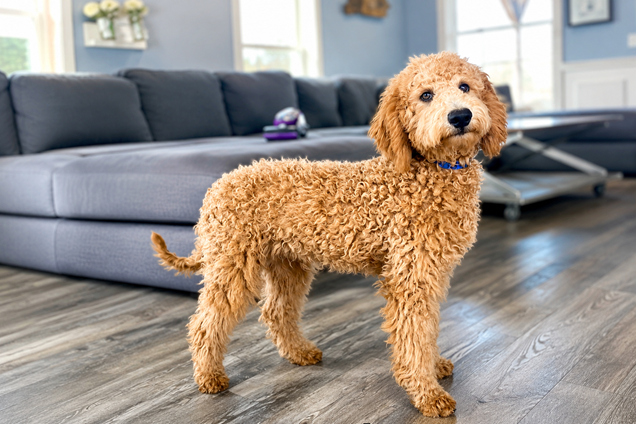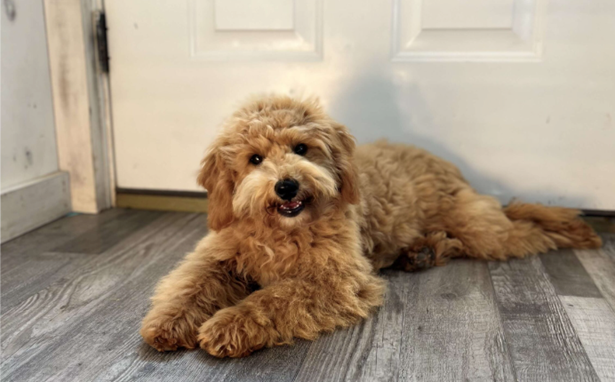
Most people searching for a small goldendoodle start with the photos. Curly faces. Teddy bear coats. Tiny paws are climbing into someone’s lap during a car ride home.
Then real life starts showing up in the questions.
How early do they wake up?
Do they follow you everywhere?
Can they stay alone during work hours?
How much exercise do they actually need?
A small goldendoodle quickly becomes part of the household rhythm because these dogs stay involved in almost everything happening around them. They like being nearby during breakfast, walks, errands, movie nights, and even laundry folding if they can manage it.
People often compare a small Goldendoodle to the Medium Goldendoodle size because they want something easier to travel with while still having enough energy for family activities. That balance explains why so many buyers spend time studying a Goldendoodle size chart before choosing the right fit for their home.
Mornings Usually Start Earlier Than Expected
Most small goldendoodle puppies wake up ready to start the day before the humans do.
Some immediately head outside for potty breaks, while others want attention first and try climbing directly onto the bed. Families preparing for your puppy usually underestimate how structured those early mornings become during the first few weeks, because consistency matters quickly for potty training and feeding schedules.
Breakfast routines settle things down quickly. Puppies thrive on predictability, and many owners notice calmer behavior once meals happen around the same time every day. Smaller doodles also burn energy faster than people expect during puppyhood, so regular feeding schedules help prevent crankiness, accidents, and overstimulation later in the afternoon.
Mini Goldendoodle characteristics often include a strong attachment to people early on, which explains why mornings can feel very social. Some puppies shadow their owners from room to room before coffee even finishes brewing.
Crate Routines Usually Improve Faster With Consistency
The first few nights feel emotional for almost every family.
A small goldendoodle puppy suddenly sleeps away from littermates for the first time, and that adjustment period can create whining, restlessness, or multiple wakeups overnight. Families reading about the first 72 hours with a goldendoodle usually feel relieved once they realize those behaviors happen commonly during transitions.
Crate training works best when the puppy sees the crate as part of normal daily life rather than as punishment. Many owners place crates near the bed at first because proximity helps puppies settle more comfortably overnight.
Daytime crate routines matter too. Short periods of independent rest teach puppies how to relax without constant stimulation. That becomes important later because Goldendoodles naturally enjoy human interaction and can become overly dependent when boundaries are never established early.
Some Goldendoodles settle comfortably alone for short periods while others follow their owners from room to room all day, and families usually notice those Goldendoodle temperament differences pretty quickly. There are also puppies that remain naturally independent, while others seek near-constant companionship throughout the day.
Walks Turn Into Part Exercise Part Social Event
A small goldendoodle attracts attention almost everywhere because neighbors stop to ask questions, children want to pet them, and other dog owners usually start conversations halfway down the sidewalk, especially during the fluffy puppy stage.
Daily walks help build structure, improve leash manners, expose puppies to new environments, and reduce destructive indoor behavior. Most owners do better with shorter, frequent walks during puppyhood because growing joints still need protection from excessive impact.
Many families searching for a Goldendoodle apartment-friendly breed lean toward smaller sizes because they fit comfortably into tighter living spaces while still staying active enough for regular outdoor routines. Apartment living works well when owners stay committed to walks, training, and mental stimulation throughout the day.
A bored doodle usually finds entertainment on its own, and owners rarely enjoy the results afterward.
Attention Needs Stay High Throughout the Day
Goldendoodles pay close attention to people and quickly learn household routines, which is why owners often find their small goldendoodle following them into the kitchen, waiting outside the bathroom door, or curling up nearby during work calls within the first few weeks home.
That constant engagement creates strong companionship for families who want an affectionate dog involved in everyday life, but it also means these dogs thrive on interaction, training games, outdoor time, and regular attention throughout the day.
Many people consider them the best Goldendoodle for families because they naturally enjoy children, visitors, social environments, and activities that keep them moving without the intense exercise demands that larger sporting breeds often require.
Grooming Quickly Becomes Part of the Weekly Routine
The coat usually surprises first-time owners.
A fluffy puppy coat looks low-maintenance in photos, but curls and waves tangle quickly without regular brushing. Goldendoodle grooming requirements become much easier when families establish routines early, rather than waiting until matting appears.
Most owners brush several times weekly while scheduling professional grooming appointments every six to eight weeks, depending on coat type. Areas behind the ears, around collars, under legs, and near the tail tangle fastest because friction builds there throughout the day.
A good Goldendoodle care guide usually recommends introducing grooming tools slowly during puppyhood, so that brushing feels normal rather than stressful later.
Bathing routines matter too. Overbathing dries the skin, while inconsistent grooming creates painful mats near the body. Balanced maintenance keeps the coat healthier and makes grooming appointments much easier over time.
Evenings Usually Bring a Different Energy
Most small goldendoodle puppies stay energetic in bursts throughout the day, then suddenly crash hard in the evening.
Families often notice a predictable pattern developing after dinner. A walk helps release leftover energy, followed by calmer behavior once everyone settles into nighttime routines.
Some puppies curl up beside the couch while others carry toys around, hoping someone will keep playing long after the humans feel done for the day. Evening routines create emotional security for puppies because repetition helps them understand what comes next.
Bedtime usually becomes easier once exercise, feeding, and potty schedules stay consistent. Puppies that spend the day mentally engaged and physically active settle faster overnight compared to dogs left understimulated for long stretches.
That consistency shapes behavior far more than people expect during the early months.
Small Goldendoodles Become Part of the Family Rhythm Fast
Life with a small goldendoodle feels interactive from the beginning because these dogs stay curious about people, routines, movement, and whatever happens around the house. Families who prepare early for training, grooming, socialization, and consistent schedules usually adjust more smoothly since Goldendoodles naturally want involvement and attention throughout the day.
Many buyers spend time comparing Mini Goldendoodle characteristics, researching Goldendoodle temperament differences, and studying every Goldendoodle size chart they can find before choosing a puppy. That research helps families picture what daily life will feel like once the excitement of pickup day settles into real routines at home.
A small goldendoodle brings energy, companionship, and personality into ordinary moments very quickly, which explains why so many families fall hard for them after the first few days together.